 Reviews

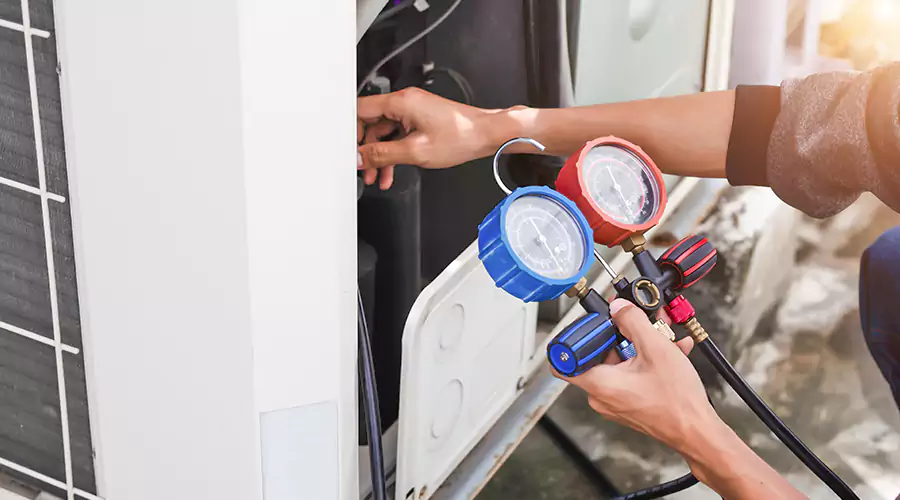
Uneven temperatures inside a home usually point to airflow or system design issues. Many homeowners deal with uneven heating and cooling that makes certain rooms uncomfortable.
These problems rarely fix themselves and often worsen over time. Understanding the cause helps you choose the right solution through the right heating and cooling services.
Why Some Rooms Feel Different?
Temperature differences often happen when air distribution is inconsistent. Some rooms receive less conditioned air than others. This creates noticeable comfort gaps across the home.
How Air Distribution Affects Room Comfort?
Many homes develop hot and cold spots due to poor airflow balance. Air may not reach distant rooms with the same strength. Layout changes and closed spaces can also affect how air moves through the home.
Common Causes of Uneven Temperatures
Uneven comfort can come from several system and home related factors. Identifying the correct cause is the first step toward fixing the issue.
Here is a quick guide to common causes:
| Problem Area | What It Can Cause | Possible Solution |
|---|---|---|
| Air vents | Low airflow in certain rooms | Clear vents and check registers |
| Ductwork | Air loss before it reaches rooms | Inspect and seal duct leaks |
| Thermostat | Wrong temperature readings | Improve thermostat location |
| Insulation | Heat gain or heat loss | Add insulation where needed |
| System balance | Too much air in some rooms | Schedule airflow balancing |
| HVAC size | Poor comfort across the home | Get a professional system check |
This table gives a starting point, but a full inspection may be needed if the problem continues.
How to Identify the Source of Temperature Imbalance?
An uneven room temperature issue may come from vents or ducts or thermostat placement or insulation gaps. Each factor affects how heat or cool air spreads. A full inspection helps confirm whether the issue is simple or complex.
HVAC Airflow Problems
Airflow plays a key role in maintaining consistent temperature. Restricted airflow reduces system effectiveness. This often leads to rooms that feel uncomfortable.
What Restricts Air Movement Inside the System?
Hvac airflow problems can result from dirty filters or blocked coils or undersized ducts. These restrictions limit how air travels through the system. Improving airflow helps restore balanced comfort.
Weak Airflow From Vents
Low airflow reduces the ability to heat or cool a room properly. This issue often appears in specific areas. It may signal deeper system problems.
How to Detect and Address Low Vent Output?
Weak airflow may be caused by closed dampers or duct damage or blower issues. Each condition reduces air delivery. Checking vents and filters is a good first step before calling for service.
Blocked Vents Inside the Home
Obstructed vents prevent proper air circulation. This creates uneven comfort even if the system works correctly. Blocked airflow limits system efficiency.
How Furniture Placement Impacts Airflow?
Blocked vents often result from furniture or rugs or curtains placed over openings. These barriers stop air from spreading. Clearing space around vents helps improve room comfort quickly.
Ductwork Issues Behind the Walls
Hidden duct problems can reduce system performance. These issues often go unnoticed without inspection. They can affect multiple rooms at once.
Signs Your Duct System Is Not Working Properly
Ductwork issues may include disconnected sections or poor routing or crushed ducts. These problems limit airflow delivery. Inspection helps locate and fix hidden faults.
Leaky Ducts Waste Conditioned Air
Air leaks reduce system efficiency and comfort. Conditioned air may escape before reaching rooms. This creates uneven temperature throughout the home.
How Air Leaks Reduce System Efficiency?
Leaky ducts allow air loss inside walls or attics. This reduces airflow strength at vents. Sealing leaks improves both comfort and energy performance.
When HVAC Duct Repair Is Needed?
Damaged ducts often require professional repair. Fixing duct problems can restore proper airflow. This improves comfort across different rooms.
What Happens During Professional Duct Repair?
HVAC duct repair may involve sealing or reconnecting or replacing sections. Each step improves air delivery. Correct duct condition supports better system performance.
Poor Insulation and Temperature Problems
Insulation affects how well a home holds temperature. Poor insulation allows heat transfer. This makes HVAC systems work harder.
Where Insulation Problems Commonly Occur?
Poor insulation hvac issues often appear in attics or exterior walls or rooms above garages. These areas lose or gain heat quickly. Improving insulation helps stabilize indoor temperature.
Thermostat Placement Matters
Thermostat location affects how the system responds. Poor placement leads to incorrect readings. This can cause uneven comfort.
How Location Affects Temperature Control?
Thermostat placement near heat sources or drafts can distort readings. The system may shut off too early or run too long. Relocating the thermostat can improve accuracy.
Room Not Cooling Properly
Cooling issues often affect specific rooms. Some spaces may stay warm during summer. This indicates airflow or insulation problems.
Factors That Limit Cooling in Certain Areas
A room not cooling may result from sun exposure or airflow restriction or duct leakage. Each factor reduces cooling effectiveness. Targeted fixes can improve comfort.
Room Not Heating Properly
Heating problems often appear in distant rooms. Some areas may not warm up evenly. This reduces comfort during colder months.
Why Some Rooms Stay Cold in Winter
A room not heating may suffer from poor airflow or heat loss or duct imbalance. These issues prevent proper heating. Correcting airflow improves warmth distribution.
Air Balancing for Better Comfort
Balanced airflow ensures each room receives proper air volume. This improves comfort throughout the home. It is often needed when some rooms feel different.
How Technicians Adjust Air Distribution?
Air balancing involves adjusting dampers and measuring airflow levels. This helps equalize air delivery. Balanced airflow improves system efficiency.
HVAC System Balancing
System balancing evaluates the entire HVAC setup. It ensures proper airflow and pressure. This approach improves overall system performance.
What a Full System Balance Includes
HVAC system balancing checks supply and return airflow and duct pressure. These factors affect system efficiency. Balanced systems provide more consistent comfort.
Zoning for Room-by-Room Control
Zoning allows different areas to have separate temperature settings. This helps manage comfort in larger homes. It offers more control over indoor climate.
When Zoning Systems Make Sense
A zoning hvac system works well in multi level homes or spaces with uneven temperatures. It directs airflow where needed. Zoning reduces temperature conflicts between rooms.
Fix Uneven Temperatures With the Right Plan
Solving uneven comfort requires a step by step approach. Start with simple checks before moving to advanced solutions. Accurate diagnosis leads to better results.
Simple Steps Homeowners Can Take First
To fix uneven temperatures begin with filter replacement and vent checks and airflow observation. These steps address basic issues.
Try these first:
- Replace the air filter.
- Open all supply vents.
- Clear furniture from vents.
- Check return grilles.
- Close blinds in sunny rooms.
- Look for obvious duct damage.
- Note which rooms feel uncomfortable.
These steps can help, but ongoing problems need expert attention.
Professional Home Comfort Solutions
Different homes require different solutions. The right fix depends on the root cause. Professional evaluation ensures accurate results.
How Experts Customize Solutions for Your Home?
Home comfort solutions may include duct sealing or insulation upgrades or airflow balancing. Each solution targets a specific issue. Customized fixes provide better long term comfort.
When to Schedule Residential HVAC Service?
Persistent issues require professional service. A technician can inspect the full system. Early service prevents larger problems.
Signs You Need Professional Inspection
Schedule residential hvac service if uneven comfort continues or energy use rises. These signs indicate deeper system issues. Professional inspection helps restore balanced performance.
Final Thoughts
Uneven comfort is frustrating, but it usually has a clear cause. Airflow restrictions, duct leaks, poor insulation, blocked vents, bad thermostat location, and system imbalance can all create an hvac temperature imbalance.
Start with simple checks, then call a professional if the problem continues. With proper inspection, duct repair, balancing, and system adjustments, your home can feel more comfortable in every season.